Custom T-Shirt Manufacturing for Clothing Brands in Ajman: From First Sample to Bulk Production
Developing a successful clothing brand requires more than creating an attractive T-shirt design. The garment must have the right fabric, fit, construction, finishing and overall appearance to match the brand’s identity. For fashion startups and established apparel labels, T-Shirt Manufacturing for Clothing Brands in Ajman involves several stages, starting with an initial product concept and ending with a finished production batch ready for sale.
A design that looks good on a computer screen may not deliver the expected result when produced as a physical garment. Fabric weight, neckline shape, shoulder measurements, sleeve length, stitching and printing can all influence the final product. This is why sample development and approval are important before committing to bulk manufacturing.
Whether you are launching your first clothing collection or expanding an existing apparel business, understanding the manufacturing process helps you communicate your requirements more clearly and reduce avoidable production issues.
This guide explains how clothing brands can move from an initial T-shirt design to sample development, fit approval, production planning and bulk manufacturing in Ajman.
1. Understand Your Clothing Brand’s T-Shirt Requirements First
Before approaching a manufacturer, establish what type of T-shirt you want to produce.
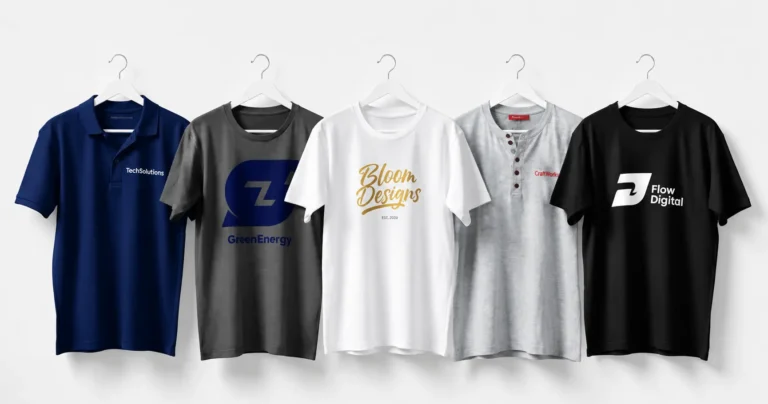
Different clothing brands have different product expectations. A streetwear label may prefer oversized garments with dropped shoulders, while a casual fashion brand may focus on regular-fit cotton T-shirts.
The manufacturing specifications should reflect the intended market, design identity and customer expectations.
Identify Your T-Shirt Style
Start by deciding the garment style.
Common options include:
-
Regular-fit T-shirts.
-
Oversized T-shirts.
-
Slim-fit T-shirts.
-
Relaxed-fit T-shirts.
-
Boxy-fit T-shirts.
-
Longline T-shirts.
-
Cropped T-shirts.
-
Polo-style T-shirts.
-
Custom-designed fashion T-shirts.
Each style requires different pattern measurements and construction details.
For example, an oversized T-shirt may require a wider body, dropped shoulders and longer sleeves, while a regular-fit design follows a more conventional body shape.
Define Your Target Customers
Consider who will purchase your clothing products.
Ask yourself:
-
Is the brand targeting men, women or unisex customers?
-
Is the collection focused on casual fashion or streetwear?
-
Will the garments be premium, everyday or promotional products?
-
What price range are you targeting?
-
Which sizes will your collection include?
These decisions help determine the appropriate fabric, fit and production specifications.
Decide Whether You Need Basic or Fully Customised T-Shirts
There are different approaches to developing a branded T-shirt.
Customised existing garments: A suitable existing T-shirt style is selected and customised using printing or embroidery.
Custom garment manufacturing: The T-shirt is developed around specific fabric, measurements, patterns, neckline, sleeves, construction and finishing requirements.
The second approach generally provides more control over the garment’s appearance and construction, which may be important for clothing brands building a distinctive product range.
2. Create a T-Shirt Tech Pack Before Manufacturing
A technical specification sheet, commonly called a tech pack, helps translate a clothing brand’s design into manufacturing instructions.
It provides the manufacturer with the information needed to understand how the garment should be produced.
Without clear specifications, important details may be misunderstood during sampling or production.
What Should a T-Shirt Tech Pack Include?
A useful T-shirt specification document can contain:
| Specification | Details to include |
|---|---|
| Product name | Style name or product reference |
| Garment design | Front, back and side views |
| Fabric | Composition and fabric construction |
| Fabric weight | Target GSM |
| Fit | Regular, oversized, relaxed or slim |
| Measurements | Chest, body length, shoulders and sleeves |
| Neckline | Crew neck, V-neck or other design |
| Stitching | Seam and finishing requirements |
| Branding | Printing or embroidery specifications |
| Labels | Main label, size label and care label |
| Colour | Approved colour reference |
| Packaging | Folding, tags and packaging requirements |
Include Front and Back Design Details
A T-shirt design should not be explained using only a front-view image.
The manufacturer may also need to understand:
-
Back graphics.
-
Sleeve prints.
-
Neckline construction.
-
Shoulder proportions.
-
Side seams.
-
Hem shape.
-
Label placement.
The more clearly these details are documented, the easier it becomes to evaluate the sample.
Why Are Technical Specifications Important?
A tech pack creates a shared reference between the clothing brand and the manufacturer.
It can help reduce misunderstandings about garment dimensions, print placement, fabric and other production details.
For repeat orders, the same documentation also helps maintain the original approved design.
3. Choose the Right Fabric for Your Clothing Brand
Fabric selection influences the feel, appearance, durability and overall positioning of a T-shirt.
The same design may produce very different results when manufactured using different materials.
For clothing brands, fabric selection should reflect the target customer, garment style, intended use and price point.
Cotton T-Shirt Fabric
Cotton is a common option for casual and everyday apparel.
Depending on its construction and quality, cotton fabric can provide a comfortable feel and suitable breathability.
It may be considered for:
-
Everyday fashion T-shirts.
-
Casualwear collections.
-
Streetwear products.
-
Premium basic T-shirts.
Some brands prefer combed or ring-spun cotton constructions, depending on their desired fabric feel and product positioning.
Polyester Fabric
Polyester is commonly used for sportswear and selected performance garments.
Its characteristics make it relevant for products where moisture management, durability and garment weight are important considerations.
Poly-Cotton Blends
Poly-cotton combines cotton and polyester fibres.
Depending on the blend ratio and fabric construction, it can provide a balance of softness, durability, shape retention and ease of maintenance.
Compare Fabric Options Before Approval
When reviewing fabric samples, consider:
-
Fibre composition.
-
GSM.
-
Texture.
-
Stretch and recovery.
-
Breathability.
-
Shrinkage.
-
Colour consistency.
-
Washing performance.
A fabric that feels suitable before washing may behave differently after repeated use.
Testing a sample before approving bulk production can reveal differences that are difficult to identify from a fabric description alone.
4. Understand GSM and Select the Right Fabric Weight
GSM stands for Grams per Square Metre. It describes the weight of a fabric and is commonly used when specifying T-shirt materials.
It is an important reference when developing a clothing collection, particularly if the brand wants a consistent garment feel.
However, a higher GSM does not automatically mean better fabric quality.
Common T-Shirt Fabric Weight Categories
The following are general examples rather than fixed industry classifications.
| Fabric weight | Common application |
|---|---|
| 120–150 GSM | Lightweight T-shirts and selected promotional garments |
| 150–180 GSM | Everyday casual T-shirts |
| 180–220 GSM | Medium-weight fashion and branded T-shirts |
| 220–260 GSM | Heavier casualwear and selected streetwear styles |
| Above 260 GSM | Heavyweight and oversized fashion products |
The appropriate GSM depends on the fabric, design, climate, fit and intended customer.
For example, a clothing brand developing lightweight summer T-shirts may prefer a different fabric weight from a label producing heavyweight streetwear.
Request Fabric Swatches
Rather than choosing a fabric using its GSM specification alone, request physical swatches.
Compare:
-
How the fabric feels.
-
How it falls.
-
Its thickness.
-
Its stretch.
-
Its appearance.
-
Its behaviour after washing.
This helps ensure that the final fabric matches the brand’s expectations.
5. Develop the First T-Shirt Sample
Once the design and fabric specifications are ready, the next stage is physical sample development.
A sample allows the clothing brand to evaluate the actual garment rather than relying only on sketches or digital mockups.
This is an important stage because changes are generally easier to manage before bulk production begins.
What Is Included in the First Sample?
The initial sample may be developed to assess:
-
Overall garment appearance.
-
Fabric selection.
-
Basic measurements.
-
Fit and proportions.
-
Neckline construction.
-
Sleeve length.
-
Stitching.
-
Initial branding placement.
The sample should follow the agreed design and specifications as closely as possible.
Check the Fit on an Actual Person
A T-shirt may match the measurement chart but still look different when worn.
For example, the shoulder width, sleeve opening and body length can influence the overall silhouette.
Evaluate the garment by checking:
-
Shoulder placement.
-
Chest and body fit.
-
Sleeve shape.
-
Neckline position.
-
Overall length.
-
Comfort during movement.
If the clothing brand is developing multiple styles, each design should be evaluated according to its own fit requirements.
Record All Sample Corrections
If changes are needed, document them clearly.
Examples include:
-
Increase body length.
-
Reduce sleeve width.
-
Adjust shoulder drop.
-
Change neckline depth.
-
Modify fabric weight.
-
Reposition the graphic.
-
Adjust logo dimensions.
Providing clear corrections helps the manufacturer develop the next sample more accurately.
6. Approve the Fit and Size Range Before Bulk Production
One sample size is not enough to confirm that a complete clothing collection will fit customers properly.
Once the basic design is approved, the brand should assess its size range.
Create a Size Chart
A size chart should contain the agreed measurements for every size.
Typical T-shirt measurements include:
| Measurement | What it represents |
|---|---|
| Chest width | Measurement across the garment chest |
| Body length | Shoulder or neckline reference to bottom hem |
| Shoulder width | Distance between shoulder points |
| Sleeve length | Shoulder seam to sleeve opening |
| Sleeve opening | Width of the sleeve hem |
| Bottom opening | Width across the lower garment |
Measurements should be taken using a consistent method agreed with the manufacturer.
Consider Size Grading
Size grading is the process of adjusting a base garment pattern to create additional sizes.
For example, a medium-size pattern may be used as the reference for developing small, large and extra-large sizes.
The grading rules should maintain the intended garment shape rather than simply increasing every measurement by an identical amount.
This is particularly important for oversized and fashion-focused T-shirts, where proportions are part of the product design.
Approve a Size Set Where Needed
A size set sample allows the brand to check selected garments across different sizes before full production.
This can help identify issues such as:
-
Inconsistent sleeve proportions.
-
Incorrect neckline scaling.
-
Excessive body length.
-
Uncomfortable shoulder dimensions.
-
Inconsistent fit between sizes.
For clothing brands targeting different customer groups, this step can help improve size consistency.
7. Choose the Right Printing or Branding Method
For many clothing brands, graphics, logos and other visual elements are central to the product design.
The branding method should be selected according to the artwork, fabric, colour, garment quantity and desired finish.
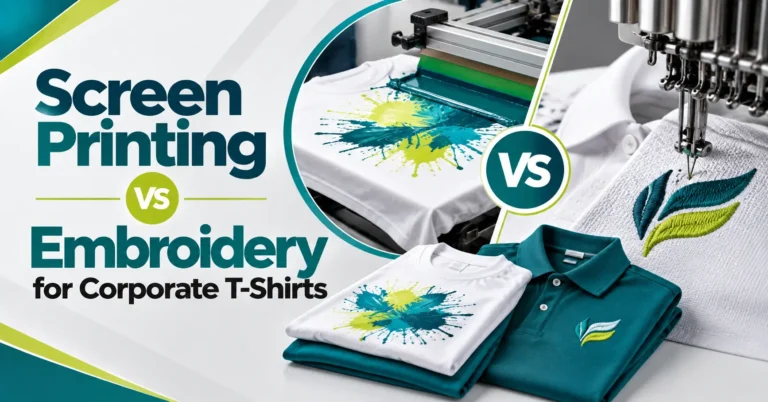
Screen Printing
Screen printing transfers ink onto the garment through a prepared screen.
It may be suitable for:
-
Larger production quantities.
-
Repeated designs.
-
Bold graphic artwork.
-
Large print placements.
-
Simple or selected multicolour designs.
The result depends on the ink system, fabric, artwork and curing process.
DTF Printing
Direct-to-Film printing involves producing a design on a transfer film and applying it to the garment.
It can be considered for selected multicolour graphics and artwork with detailed elements.
The suitability depends on the fabric, design and required finish.
DTG Printing
Direct-to-Garment printing applies ink directly onto compatible garment surfaces.
It may be suitable for certain detailed designs and smaller production runs, depending on the equipment and fabric.
Sublimation Printing
Sublimation transfers colour into compatible polyester-based materials.
It is often considered for performance apparel and sportswear where an integrated printed appearance is required.
Embroidery
Embroidery uses stitching to create logos and designs on suitable garments.
It may be suitable for:
-
Chest logos.
-
Small brand marks.
-
Polo shirts.
-
Selected premium T-shirt designs.
However, large or dense embroidery can affect the feel and flexibility of lightweight fabrics.
Which Method Should a Clothing Brand Choose?
| Branding method | Suitable consideration |
|---|---|
| Screen printing | Repeated graphics and suitable bulk orders |
| DTF | Detailed artwork and selected fabric applications |
| DTG | Direct garment printing for compatible materials |
| Sublimation | Suitable polyester-based garments |
| Embroidery | Stitched logos and selected branding details |
The correct method should be confirmed through a physical sample rather than selected based only on the printing machine or promotional description.
8. Move from Sample Approval to Pre-Production Approval
After the sample has been reviewed, the next step is confirming that all specifications are ready for manufacturing.
A separate pre-production approval is useful because the final bulk order should follow the agreed materials and construction.
What Should Be Confirmed?
Before bulk production, check:
-
Final fabric composition and GSM.
-
Approved T-shirt pattern.
-
Size chart.
-
Colour reference.
-
Printing or embroidery method.
-
Logo artwork.
-
Neckline and sleeve construction.
-
Labels and tags.
-
Finishing requirements.
-
Packaging instructions.
Keep the Approved Sample
The final approved sample should be retained as the reference for bulk production.
It allows the manufacturer and clothing brand to compare the finished garments against the agreed specifications.
Where changes occur after approval, they should be documented and accepted before production continues.
This reduces the risk of manufacturing garments that do not match the final design.
9. Plan Bulk T-Shirt Production Carefully
Once the pre-production sample is approved, the manufacturer can prepare the bulk order.
The size, fabric, colour and branding requirements should be confirmed before cutting and production begin.
Confirm the Total Production Quantity
A clothing brand should prepare its quantity breakdown by:
-
Design.
-
Colour.
-
Size.
-
Fabric variation.
-
Printing or embroidery requirement.
For example, a collection containing three T-shirt designs and four sizes should have a clear quantity allocation for each combination.
This helps reduce confusion during manufacturing and packing.
Check Fabric Availability
Before confirming the bulk order, ensure that the required fabric is available in sufficient quantity.
For consistent production, the manufacturer should also document relevant material specifications and approved colour references.
If a fabric substitution becomes necessary, obtain approval before proceeding.
Confirm Production Lead Time
Production timelines depend on several factors, including:
-
Order quantity.
-
Fabric availability.
-
Design complexity.
-
Sampling requirements.
-
Printing method.
-
Embroidery requirements.
-
Finishing.
-
Packaging.
A clothing brand launching a new collection should confirm the expected production schedule before announcing a release date.
Do not rely on an estimated deadline until the manufacturer has reviewed the complete order requirements.
10. Quality Control During Bulk T-Shirt Manufacturing
Quality control should continue throughout production rather than being limited to the final inspection.
Checking garments at different stages helps identify defects before they affect a complete production batch.
Fabric Inspection Before Cutting
Check whether the incoming fabric matches the approved specification.
Look for:
-
Colour variations.
-
Holes or fabric damage.
-
Surface irregularities.
-
Stains.
-
Unexpected texture differences.
-
Material inconsistencies.
Cutting and Pattern Inspection
The fabric panels should follow the approved pattern dimensions.
Inconsistent cutting may lead to differences in garment measurements and overall fit.
Stitching and Construction Checks
Inspect:
-
Shoulder seams.
-
Side seams.
-
Neckline construction.
-
Sleeve attachment.
-
Bottom hems.
-
Loose threads.
-
Stitch consistency.
The garment should follow the approved construction specification.
Printing and Embroidery Inspection
Check the branding against the approved design.
For printing, examine:
-
Artwork accuracy.
-
Position.
-
Colour.
-
Alignment.
-
Surface finish.
-
Visible defects.
For embroidery, check:
-
Stitch consistency.
-
Thread colour.
-
Logo dimensions.
-
Design alignment.
-
Fabric puckering.
-
Loose threads.
Final Garment Inspection
Before packing, compare finished garments against the approved sample.
| Quality checkpoint | What to verify |
|---|---|
| Fabric | Approved material and colour |
| GSM | Agreed fabric weight |
| Fit | Correct measurements and proportions |
| Stitching | Secure and consistent construction |
| Branding | Correct artwork and placement |
| Finishing | No unacceptable loose threads or defects |
| Size labels | Correct size identification |
| Packaging | Correct folding and quantity |
For larger production orders, define inspection sampling requirements and acceptable defect criteria before manufacturing starts.
11. Add Labels, Tags and Packaging for Your Clothing Brand
The presentation of the finished T-shirt is another important part of developing a clothing brand.
Depending on the brand’s requirements, the manufacturer may need to accommodate additional garment details.
Neck Labels
Brands may use printed neck labels, woven labels or other suitable identification methods.
These can include:
-
Brand name.
-
Size.
-
Product reference.
-
Other approved identification information.
Care Labels
Care labels provide garment maintenance instructions.
Depending on the product and applicable requirements, these may include washing, drying, ironing and care symbols.
The information should reflect the actual garment material and construction.
Hang Tags
Hang tags can carry brand information, product details, style references and retail presentation elements.
They should be prepared and approved before bulk packaging.
Individual Garment Packaging
Clothing brands may require individual polybags, size stickers, product labels or other packaging arrangements.
The packaging requirements should be included in the production brief to prevent confusion during final preparation.
12. How to Choose the Right T-Shirt Manufacturer in Ajman
Selecting a manufacturer is an important decision for a clothing brand.
The right manufacturing partner should understand that a branded T-shirt collection requires more than simply placing a logo on an existing garment.
Before confirming production, assess the following:
Sampling capability: Can the manufacturer develop physical samples based on your design and specifications?
Fabric options: Can it discuss cotton, polyester and blended materials suitable for your products?
Pattern and sizing requirements: Can it follow your approved measurements and garment construction instructions?
Customisation methods: Does it offer suitable screen printing, DTF, DTG, embroidery or sublimation options?
Bulk production: Can it manage your required designs, quantities and size breakdown?
Quality checks: Does the production process include inspections of fabric, stitching, branding and finished garments?
Communication: Can the team clearly discuss sample changes, production timelines and material availability?
Future orders: Can approved samples and specifications be retained for subsequent collections?
Clothing brands should request a clear quotation that identifies the agreed product specifications, production quantity, customisation requirements and delivery expectations.
13. Custom T-Shirt Manufacturing in Ajman with Rafal Garments
Rafal Garments Company LLC, based in Ajman, provides T-shirt printing and manufacturing services for customised apparel requirements.
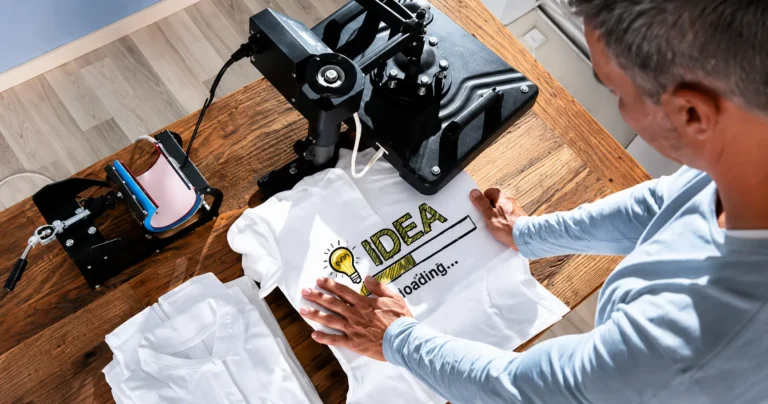
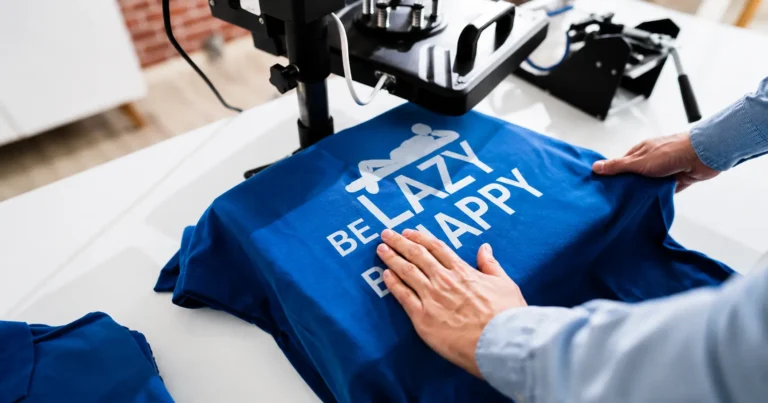
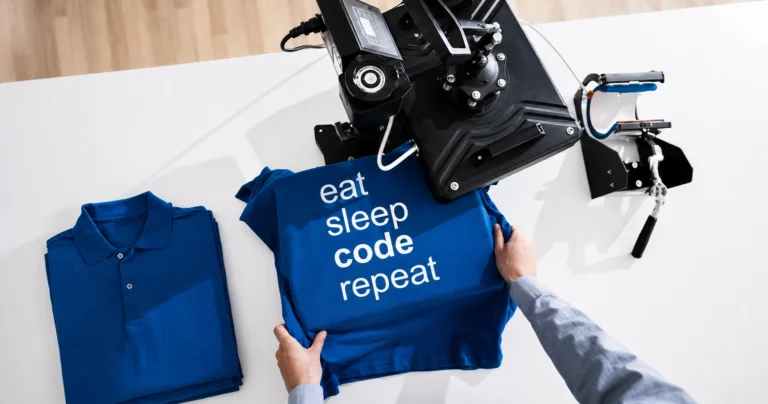
Its published service information includes T-shirt manufacturing and printing options such as screen printing, DTF, DTG, heat transfer, embroidery and sublimation.
For clothing brands planning custom T-shirt production, the project requirements can be discussed around:
-
T-shirt style and design.
-
Fabric preference and GSM.
-
Garment colour.
-
Size breakdown.
-
Logo and graphic artwork.
-
Printing or embroidery method.
-
Production quantity.
-
Packaging requirements.
-
Expected delivery schedule.
Rafal’s existing manufacturing information also describes the process of working with fabric and garment specifications, customisation, finishing and quality inspection.
Rafal Garments Company
Businesses should share their design references and production brief so the appropriate manufacturing and customisation requirements can be reviewed before confirming the order.
Planning to Launch Your Own T-Shirt Collection?
Discuss your garment design, fabric requirements, sample expectations and bulk production quantities with Rafal Garments Company LLC.
Frequently Asked Questions
1. How does custom T-shirt manufacturing work for clothing brands?
The process generally starts with a product brief, followed by fabric selection, technical specifications, pattern development, sample production, fit approval, pre-production approval, bulk manufacturing, quality inspection and final packaging.
2. Why should clothing brands approve a sample before bulk T-shirt production?
A physical sample allows the brand to check the actual fabric, GSM, fit, measurements, stitching, neckline, branding and finishing. This helps identify changes before committing to a larger production quantity.
3. What is a T-shirt tech pack?
A tech pack is a technical document containing the garment’s design, fabric specifications, measurements, construction details, branding instructions, labels and other production requirements.
4. What GSM is suitable for clothing brand T-shirts?
The suitable GSM depends on the design and intended use. Lightweight T-shirts may use lower GSM fabrics, while heavier fashion and streetwear designs may require higher fabric weights. GSM should be considered alongside fabric composition, construction and overall feel.
5. What is the difference between a fit sample and a pre-production sample?
A fit sample is mainly used to evaluate garment shape, measurements and how the T-shirt sits on the body. A pre-production sample should reflect the final approved materials, construction, branding and finishing intended for the bulk order.
6. Can clothing brands manufacture oversized T-shirts in Ajman?
Yes, oversized T-shirts can be developed through custom garment specifications, including body width, shoulder drop, sleeve length and overall garment proportions. The manufacturer should follow the approved pattern and measurement requirements.
7. Which printing method is suitable for custom clothing brand T-shirts?
The appropriate method depends on the artwork, fabric, design size and order quantity. Screen printing, DTF, DTG, heat transfer and sublimation can be considered for different applications. Embroidery is another option for selected logos and fabric products.
8. How can clothing brands maintain consistent T-shirt sizing?
Maintain an approved size chart, garment measurements, pattern references and agreed measurement tolerances. Where required, approve samples across different sizes before bulk production.
9. What determines the cost of bulk T-shirt manufacturing?
The quotation may depend on fabric composition, GSM, garment style, construction complexity, size range, quantity, printing or embroidery, labels, packaging and production requirements.
10. Does Rafal Garments provide T-shirt printing and manufacturing in Ajman?
Yes. Rafal Garments Company LLC offers T-shirt printing and manufacturing in Ajman, with customisation options including screen printing, DTF, DTG, heat transfer, embroidery and sublimation, depending on the product and project requirements.